Visiting Research Professor, Dongguk University–Seoul
Postdoctoral Researcher, InnoCORE PRISM-AI Center, KAIST
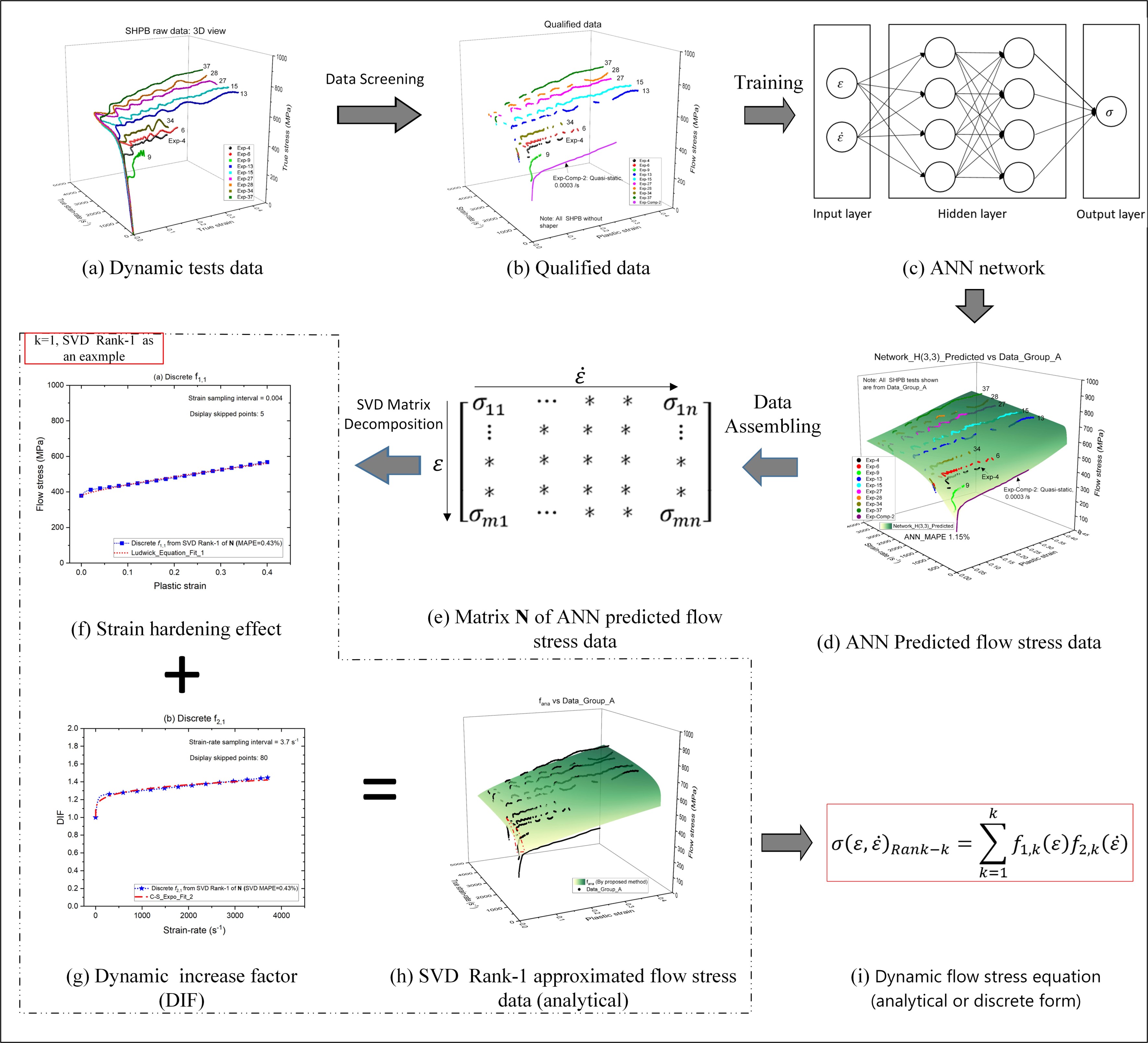
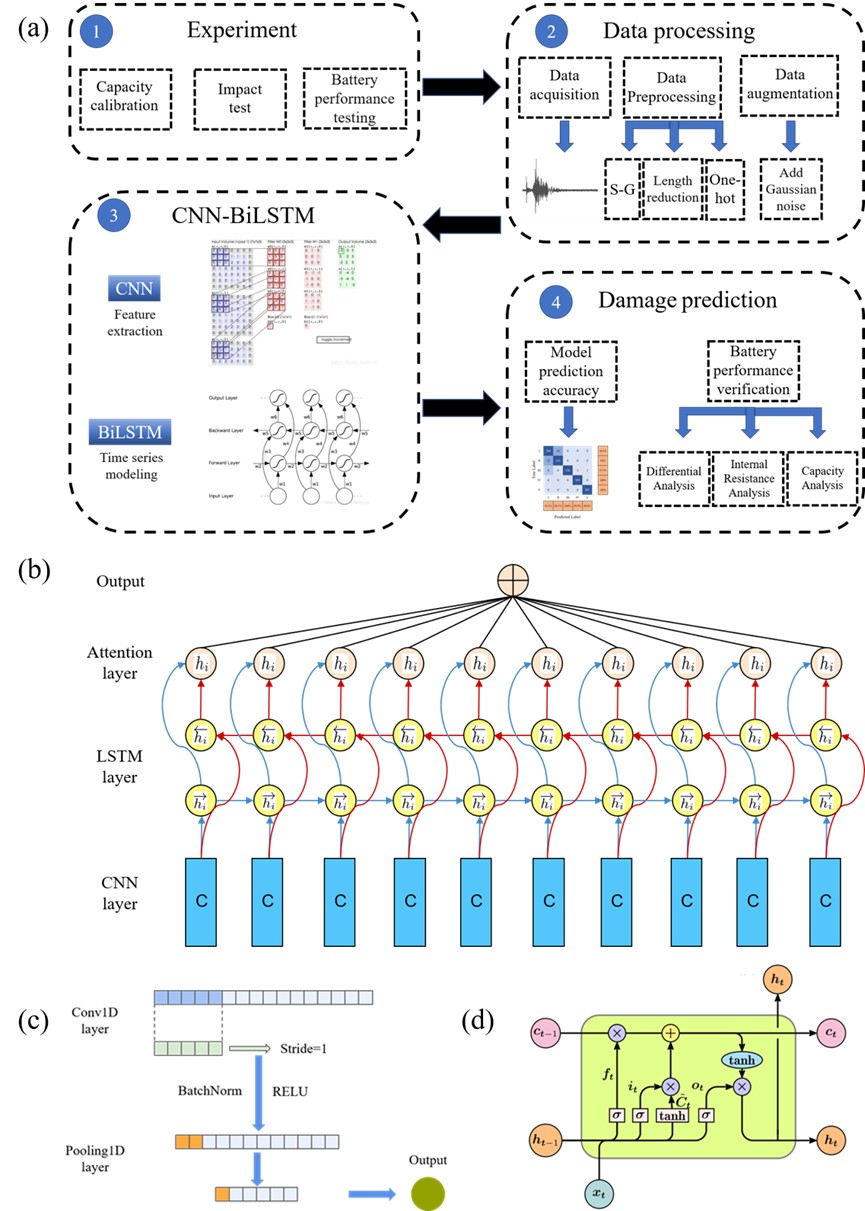
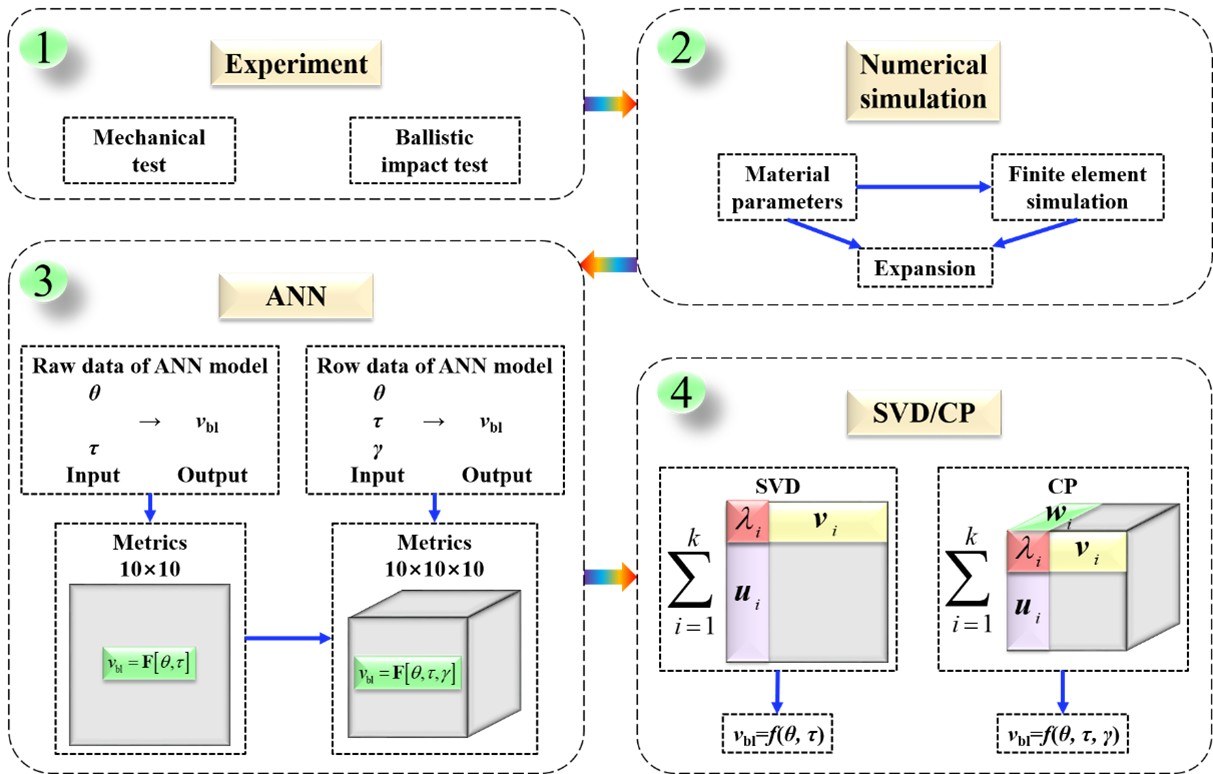
Every crash, impact, and perforation simulation stands on one question: how does the material behave at extreme strain rates? My research answers it with data-driven rigor, from flow stress models of metals validated up to 105 s-1, to AI-based real-time impact safety assessment of lithium-ion batteries.
Data-driven constitutive modeling and lithium-ion battery safety are pursued independently, each with its own methodology. Both rest on the same foundation of careful impact experimentation, which is also where a set of exploratory directions is being built up.


Highlights spanning constitutive modeling theory, impact mechanics prediction, and battery safety, published in leading international peer-reviewed journals.
Dr. Huang received his Ph.D. from the University of Manchester (2024) under Prof. Q.M. Li, where he developed foundational data-driven methods for dynamic material characterization. His four first-authored papers in the International Journal of Impact Engineering (2023–2027) form a complete arc: verifying when decoupled flow stress equations are legitimate, determining them from realistic SHPB data in 2D and 3D, and now validly extrapolating them to very-high strain rates with Taylor-Hopkinson validation (TEDI-FS, IJIE 2027).
Currently at KAIST and Dongguk University, he also leads an independent research stream on lithium-ion battery impact safety: characterizing failure modes, developing deep learning frameworks for real-time damage detection, and investigating multiphysics pack stability. The two streams share an experimental impact-mechanics foundation, while each develops its own methodology.